
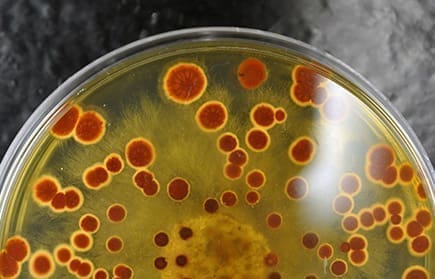
IBRG PDG16-007.04 — Tier 1 Basic Efficacy Method
The IBRG PDG16-007.04 Tier 1 Basic Efficacy Method is a standardized test developed by the International Biodeterioration Research Group (IBRG) to determine the baseline antimicrobial performance of biocidal active substances used to preserve aqueous-based products.
This method provides foundational efficacy data for in-can preservation (EU Biocidal Product Type 6) and is often applied during regulatory submissions and product development to demonstrate microbial control in water-based formulations such as adhesives, sealants, pigments, inks, lubricants, and cleaning fluids.
Test Overview
The PDG16-007.04 protocol evaluates antimicrobial activity by:
-
Preparing samples containing the active substance and repeatedly inoculating them with a mixed consortium of bacteria and fungi known to grow in aqueous substrates.
-
Measuring changes in microbial populations immediately after inoculation and after seven days of incubation.
-
Comparing treated and untreated control samples across multiple inoculation cycles to determine efficacy and persistence.
Up to six challenge cycles may be performed to assess the robustness of the active substance under repeated contamination events.
Method Highlights
-
Neutralizer validation: Ensures accurate differentiation between antimicrobial effect and residual activity.
-
Quantitative results: Expressed in colony-forming units (CFU/g) with defined pass/fail criteria based on microbial growth analysis.
Applications
This Tier 1 test is designed to provide basic efficacy data under controlled laboratory conditions. While not representative of full in-use performance, it is a critical early step in biocide registration, formulation optimization, and comparative product evaluation.
For more information regarding antimicrobial testing, please call (847) 483-9950 or email info@situtest.com.